JudgeAny EST. 2026
ReviewSmart HomeNº 091 · Updated 2026-10-02

Google Nest Hub (2nd Gen) Review: Radar Sleep Tracking, No Camera

Google Nest Hub (2nd Gen) review: radar sleep tracking without a camera, 7-inch Ambient EQ display, Thread radio. Expert findings and owner impressions, aggregated.

Words JudgeAny EditorsRead 3 minUpdated 2026-10-02Prices live on Amazon
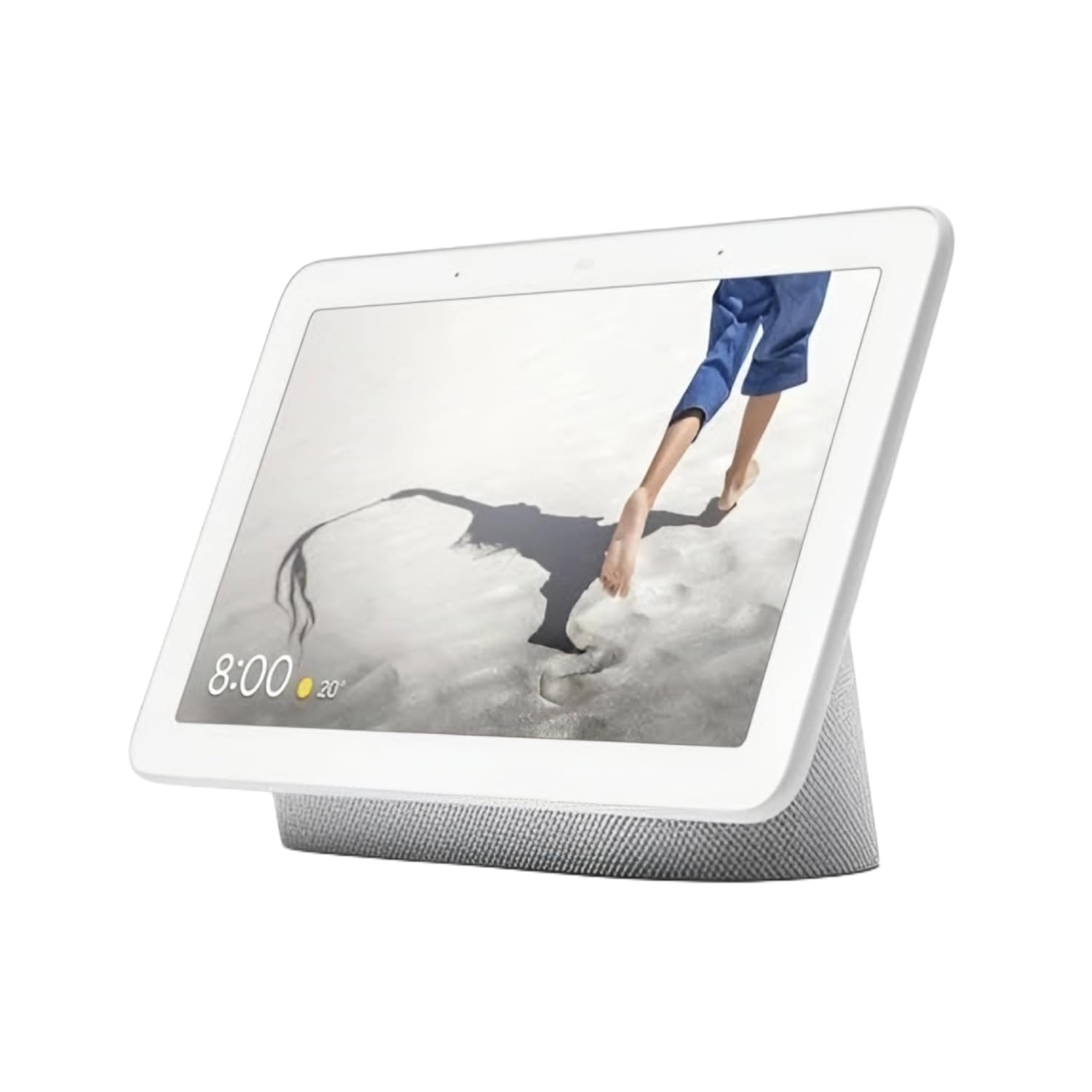
Google Nest Hub (2nd Gen) Smart Display with Google Assistant - Chalk
JA 8.4
Fig. 01 — Google Nest Hub (2nd Gen) Smart Display with Google Assistant - ChalkMargin notes · sourced

The Nest Hub (2nd gen) remains the smart display to put on a nightstand: radar-based Sleep Sensing with no camera or wearable, a useful photo frame, and privacy hardware its rivals skip. Sound and speed are merely adequate, and the sleep data is approximate — but at $99 with frequent discounts, it's the only smart display doing contactless sleep tracking.

— THE VERDICT · JUDGEANY EDITORS

Why the Nest Hub (2nd gen) matters

The second-generation Nest Hub, launched in March 2021 at $99, is nearly indistinguishable from the original — a 7-inch touchscreen floating over a fabric-covered base. The changes are under the glass: a Soli radar chip for Motion Sense, a larger 43.5 mm speaker driver, three far-field microphones, and a built-in Thread radio. This review pulls together manufacturer specs, published expert reviews, and aggregated owner impressions. We don't run a test lab; the scores below are editorial judgments built on that evidence.

Sleep Sensing: the headline feature, with caveats

Sleep Sensing is the reason this generation exists. The Soli low-energy radar tracks the movement and breathing of whoever is closest to the display, while the microphones listen for snoring and coughing and the ambient light and temperature sensors record the room (Google Store). The Verge's Dan Seifert found it "easy and reliable," How-To Geek's extended trial beat low expectations, and Android Authority's Jimmy Westenberg saw sleep and wake times land within minutes of his Garmin, Fitbit Sense, and Oura Ring 2.

But it's approximate, not clinical — and the record is mixed. SlashGear pushed back on several of Sleep Sensing's own conclusions, feeling sleepy on mornings the Hub called "fairly restful." Tom's Guide calls the feature fickle. How-To Geek flags a real design flaw: the sleep-efficiency metric counts all time in bed, so reading before sleep tanks your score — something a wrist-worn tracker with heart-rate data doesn't do. Google itself says the radar detects motion, not faces or bodies, and a large dog jumping on the bed can pollute the data (Android Authority briefing). Treat it as a contactless wellness gauge — the only one built into a smart display — and keep your expectations below a wrist-worn tracker or a sleep study.

Sound: better, but still a nightstand speaker

Google claims 50% more bass than the original, borrowing audio tech from the Nest Audio, and the 1.7-inch driver is a genuine step up from a speaker The Verge once called lousy. The new one sounds fuller, with better bass and a more pleasant Assistant voice, per The Verge; CNN calls the audio impressive for the size. The ceiling is low, though — TechRadar notes it "doesn't have powerful bass," and nobody calls it a primary music speaker. For podcasts, alarms, and kitchen listening, it's more than adequate.

Display and design: a photo frame first

The 7-inch 1024x600 touchscreen carries over from the first generation, now with edgeless cover glass, and Ambient EQ keeps brightness and color matched to the room (Google Store). The Verge calls it an excellent Google Photos frame, and CNN — which names the Nest Hub its best nightstand smart display in 2026 — praises the overnight view that dims to a simple clock. The recurring complaint is speed: The Verge's verdict is blunt — "life is too short for slow computers" — and Quick Gestures (a wave to snooze or pause) are hit-or-miss, per Tom's Guide and owner reviews.

Privacy: no camera, and that's the point

Unlike the Echo Show line or Google's own Nest Hub Max, this Hub has no camera — a deliberate call for a device that lives in bedrooms. A physical switch on the back kills the three microphones, and sleep data can be reviewed or deleted at any time (Google Store). For a nightstand display, that's the best privacy story in the category.

Who should buy it

Buy the Nest Hub (2nd gen) if you want a bedside clock, photo frame, and smart-home controller in one $99 device — and you're curious about contactless sleep tracking. Skip it if you need video calls, a music-first speaker, or snappy performance. Amazon owners rate it 4.2 out of 5 across about 1,150 reviews — check the current price on Amazon.

On Film

Video review · third-party footage, not filmed by JudgeAny
EVERYTHING You Can Do With The Google Nest Hub · Steve DoesVia YouTube
Sleep sensingThe Verge: easy and reliable · SlashGear disputes its verdicts8.0
Sound quality50% more bass claimed · TechRadar: no powerful bass7.8
Display7 in, 1024x600 · Ambient EQ · excellent photo frame8.5
Smart home & assistant3 far-field mics · quick per Tom's Guide · Verge: slow8.0
PrivacyNo camera · mic-off switch · radar sees motion, not faces9.2
Value$99 launch, often discounted; price is live on Amazon9.0
JudgeAny Score8.4

The Dossier

Technical file · compiled from specs & reviews
Display7-inch touchscreen (1024 x 600) with Ambient EQ
SpeakerFull-range 1.7 in (43.5 mm) driver; 50% more bass than gen 1 (Google claim)
Microphones3 far-field microphones with physical mic-off switch
Sleep sensingSoli Motion Sense radar + ambient light and temperature sensors; no camera
Connectivity802.11b/g/n/ac (2.4/5 GHz) Wi-Fi · Bluetooth 5.0 · Chromecast built in · Thread border router (802.15.4)
Smart homeMatter support · works as a Google Home hub
ProcessorQuad-core 64-bit 1.9 GHz ARM CPU · high-performance ML hardware engine
Power15W adapter · DC power jack · 1.5 m cable
Size / weight7.0 x 4.7 x 2.7 in · 558 g (19.7 oz)
ColorsChalk, Charcoal, Sand, Mist
BuildEnclosure made from 54% recycled plastic
LaunchMarch 2021 · $99.99 MSRP

+ WHAT EARNS IT

  • Sleep Sensing with no camera or wearable — The Verge called it easy and reliable, and How-To Geek's long-term trial beat expectations
  • Deliberately camera-free with a physical mic-off switch — the best privacy story of any bedside display
  • 50% more bass than the original (per Google), and The Verge found the new driver fuller and more pleasant
  • 7-inch Ambient EQ display that doubles as an excellent Google Photos frame — CNN's 2026 pick for the nightstand
  • Thread border router and Matter support on the spec sheet, so it can anchor a Google Home setup
  • Launched at $99 — $50 under the original — and frequently discounted; price is live on Amazon

− WHAT COSTS IT

  • Sleep data is approximate: SlashGear disputed its verdicts, Tom's Guide calls it fickle, and reading in bed wrecks the efficiency score
  • No camera means no video calls — the Echo Show wins that trade
  • The Verge's standing complaint: it's slow, and Quick Gestures are hit-or-miss
  • Single small speaker; TechRadar notes the lack of real bass at volume
  • Sleep Sensing needs bedside placement, and pets or partners can pollute the data

Keep comparing

Same evidence standard · our reviews

Sources

Every major conclusion above maps to a source here · see our methodology.

Questions, answered

Does the Nest Hub (2nd Gen) have a camera?
No. Google kept it camera-free by design — a deliberate choice for a device that lives on nightstands. The Soli radar detects motion, not faces or bodies, and a physical switch on the back turns the microphones off entirely.
How accurate is Sleep Sensing?
Approximate, not clinical. Reviewers generally found the sleep and wake times lined up with how they felt — The Verge called it easy and reliable — but SlashGear disagreed with several of the Hub's own conclusions, and reading in bed tanks the sleep-efficiency score because it counts all time in bed.
Does it work as a Thread border router and Matter hub?
Yes. The Thread border router (802.15.4) and Matter support are both on the Google Store spec sheet, and it works as a Google Home hub. At launch The Verge noted the Thread radio couldn't be used in smart-home routines; the current spec page lists Matter and Google Home hub support.
Can it make video calls?
No. There's no camera, so video calls are off the table — that's the trade-off for a bedroom-friendly device. You can still make voice calls and check Nest camera feeds on the display.
Is Sleep Sensing free?
It launched as a free preview — at launch Google said the feature would eventually fold into Fitbit Premium, but the current terms weren't verifiable, so check Google's support page before relying on it long-term.
FILED UNDER · BEST SMART HOME 2026

The one to buy.

The Nest Hub (2nd gen) remains the smart display to put on a nightstand: radar-based Sleep Sensing with no camera or wearable, a useful photo frame, and privacy hardware its rivals skip. Sound and speed are merely adequate, and the sleep data is approximate — but at $99 with frequent discounts, it's the only smart display doing contactless sleep tracking.

Also available at Best Buy · Walmart · B&H Photo Video · prices live on retailer sites

As an Amazon Associate, JudgeAny earns from qualifying purchases. Price and availability are accurate as of the date/time indicated and are subject to change.

Google Nest Hub (2nd Gen) Smart Display with Google Assistant - ChalkGoogle
Check Price